Hello folks and happy holidays!
We’ve just released Tachyon 1.1.32, the latest Ubuntu 24.04 build, and wanted to share an update with the community on where things are, what’s included, and what’s coming next.
First, there is a video here if you would rather just see what is going on:
Second, this release represents a big step forward for Tachyon as a usable, day-to-day edge computer. The full release notes are available separately, but below are the key highlights and caveats.
Release Highlights
(full release notes are here: https://drive.google.com/file/d/1jKuWQf75zsvQP-mLYwVkDqth-hrCX466/view?usp=sharing)
Power & System
- No battery required - Tachyon can now run fully powered via USB-C… HURRAY!
- Battery mode still supported (1-cell, 3-cell, and 4-cell configurations) if plugged in
- Charging, thermal, and power management all enabled
- CPU governor set for performance by default
Desktop & Graphics
- Ubuntu 24.04 desktop fully operational!!
- Full graphics stack enabled (Vulcan, GLES etc…)
- Stable long-running desktop operation under load
- Display output working MIPI-DSI and DisplayPort over USB-C
- (DSI displays working via overlays - you can freely add in more etc…)
Cameras
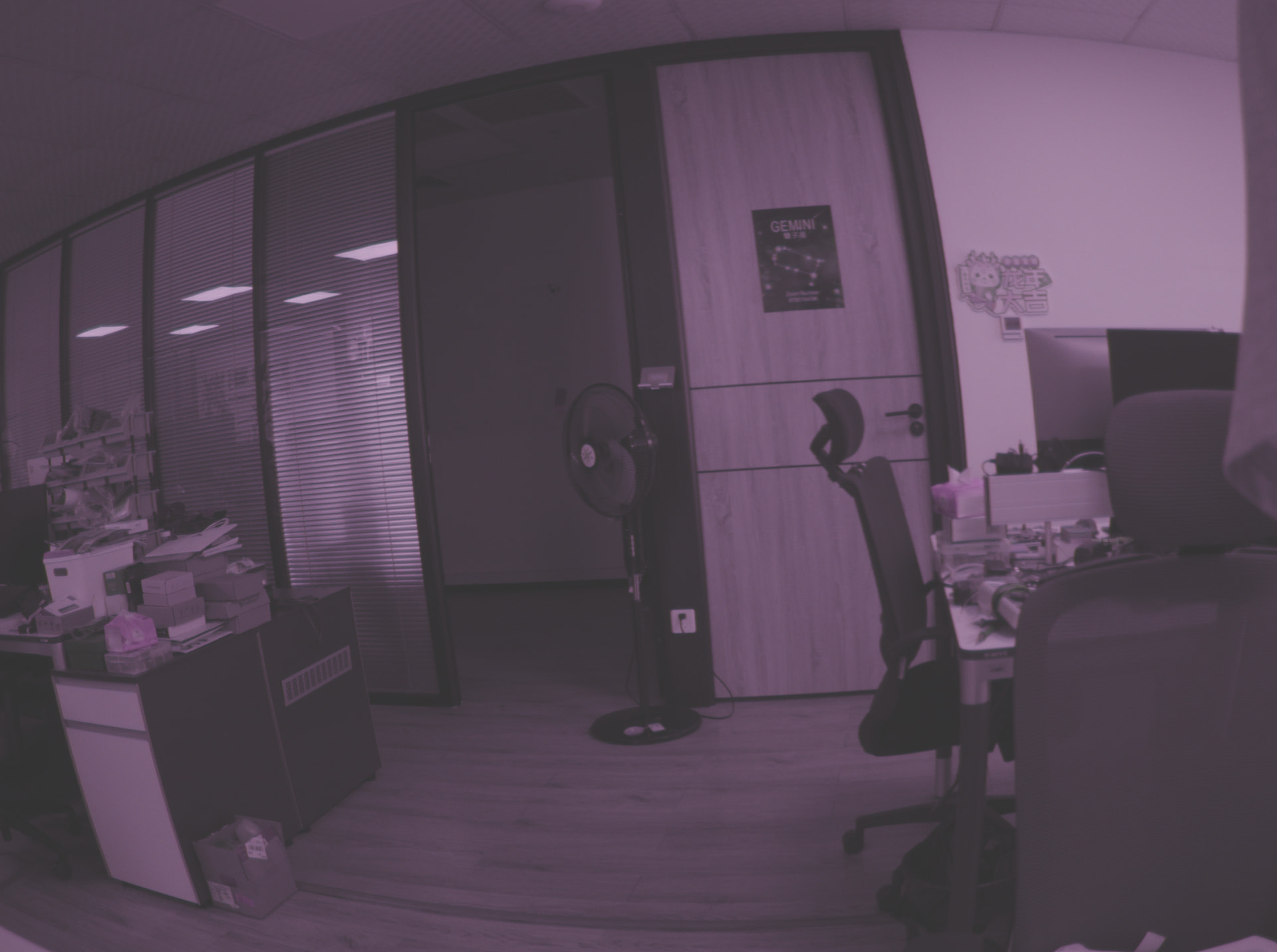
- Camera support enabled on Ubuntu 24.04
- V4L2 cameras supported (raw output)
- CSI cameras operational
- ISP enabled with basic functionality via GStreamer
- (cameras working via overlays - same as displays, its easy to add in more)
Connectivity
- Wi-Fi supported across 2.4 / 5 / 6 GHz
- Bluetooth Classic and BLE supported
- Cellular stack integrated (see caveats below)
AI & Acceleration
- Qualcomm CDSP enabled at boot
- /dev/fastrpc-cdsp available to AI frameworks
- Compatible with SNPE, QNN, and Hexagon SDK
The full release notes can be found attached.
 Release Caveats (Important
- Cellular modem RF is currently disabled (RF Kill)
The binaries are largely in place (modem is up, interfaces etc…), but we require official firmware / NVRAM updates from Quectel, followed by full validation. We are deliberately not hacking around this - will be released properly and safely once the correct firmware is delivered and tested. Should not be long…
- USB-C hot-plug switching
USB mode selection works reliably at boot, but dynamic switching (host ↔ device) after boot still needs work. To say this needs work really undermines the work already put in by Andrey, but alas, it needs more.
- Camera pipeline
V4L2 raw capture works, but full YUV/RGB ISP output is still being completed. There are two camera pipelines from QCOM - CameraX (aka the Android pipeline, also known as their downstream camera stack and second, upstream V4L2. We are looking to get the upstream working fully and have the downstream binary version (which really needs a more complex license to use properly) as a secondary option.
- Analog audio
Codec enumerates and basic audio works, but large DMA audio transfers currently cause instability. Fix in progress!
Getting Started: Kernel & U-Boot
If you’re looking to dig deeper and start building or modifying Tachyon software, here are two key documentation entry points:
Kernel Development
Documentation for building and modifying the Linux kernel is available here: Modifying & Building the Tachyon Kernel | Particle Developer
- Kernel builds use the Debian packaging system
- You can enable additional drivers easily using the debian build system and just ‘apt install’ the new kernel
- Add what you want to the kernel! Build on device! Make PR requests please!!
U-Boot & Overlays
Documentation for U-Boot and boot configuration lives here: How to Modify the U-Boot Bootloader | Particle Developer
- Tachyon supports an overlay system similar to Raspberry Pi
- Uses an overlay.txt file
- Any number of overlays can be applied
- Ideal for enabling:
- DSI displays
- CSI cameras
- GPIO changes
Note:
At the moment, the DTS files live inside the U-Boot git repo, as U-Boot is responsible for passing them to the kernel. Just a temp holding place…
We expect to migrate these out over time back to the land of the kernel.
What’s Coming Next
The major items currently in progress:
- USB hot-plug fixes
- Improved V4L2 support / additional ISP pipeline fixes
- Analog audio stability fixes
- Cellular modem RF Kill resolution
Binary work:
The remaining work is primarily firmware modifications (means the binaries in the system that we can’t upstream - the modem, ADSP etc…). We’re intentionally taking the correct path here so we can ship a certified and ready to go unit. If you happen to bypass any existing limitations and it causes accidental or otherwise interference with wireless networks, this is not the responsibility of Particle.
As you can probably tell, the system is up, stable, and well understood at this point. We’re operating a bit ahead of the standard Qualcomm baseline with getting the modem variant of the chip work, which means we’re somewhat on our own, but the progress is real and solid.
Happy building, everyone!
As always, thanks for the feedback, testing, and momentum from this community.


 , one question is the HW video decoders and encoders working? via V4L2 / Gstreamer ?